
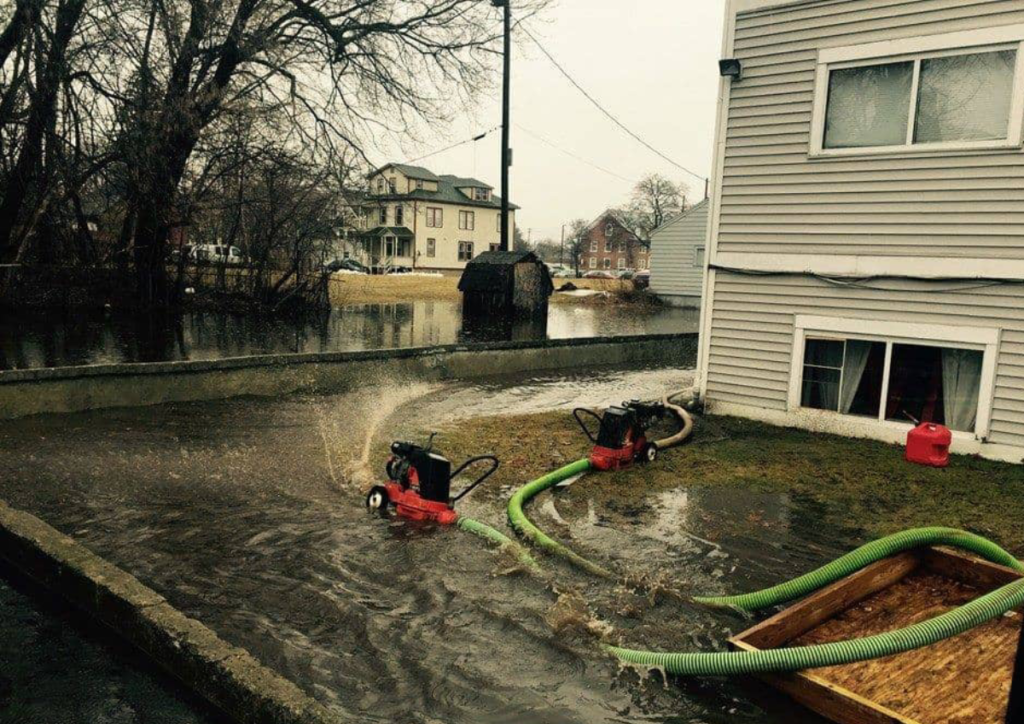
It takes very little time to have devastating effects on homes and commercial property as a result of flooding. From saturated floors, structural deterioration and mold, the consequences may easily grow out of control without the proper treatment. This is where flood damage restoration services come in. The early response, ensuring that the damage is minimized and the property is restored to a safe and habitable condition, is the main response within EC Restoration Services after a flood. Knowing how a restoration company works after a flood enables property owners to make a quick response and make informed decisions during an emergency.
Emergency Response and Initial Assessment of a Restoration Company
Rapid response is the first response undertaken by a restoration company following a flood. Time is a factor since standing water is still destroying building materials and exacerbating the chances of mold and structural decay.
Technicians then ensure that, on the site, a comprehensive inspection is done in order to determine the magnitude of the water damage. This involves the determination of affected areas, checking the level of moisture, and ensuring the safety of the structure. The aim is to make an action plan that is clear, depending on the severity of the situation.
At this phase, restoration specialists can also determine the possible dangers, like electrical risks, dirty water, and compromised structures, prior to commencing the job.
Emergency Water Extraction
Removal of standing water within the least amount of time is one of the most crucial activities in flood damage restoration services. Industrial-grade pumps, vacuums, and extractors are employed by professional teams to remove water from floors, carpets, and other affected surfaces.
This is done through something called emergency water extraction to ensure the occurrence of further absorption into walls, flooring, and furniture. The sooner water is taken out, the less damage it might cause over time.
A second test is commonly conducted on water removal to make sure that no unseen small pools of water have been missed in the unreachable locations.
Water Damage Cleanup and Debris Removal
The second step after the removal of water is to be followed by thorough cleaning. A water damage cleanup company is a professional company concerned with the removal of debris, damaged materials, and contaminated items on the property.
Other absorptive materials like insulation, soaked drywall, and carpeting can be removed in case they cannot be repaired safely. The non-porous surfaces are washed, disinfected, and dried.
This is a crucial step since floodwater usually comprises contaminants, dirt, and bacteria, which can be hazardous unless seriously addressed.
Drying and Dehumidification Process
Even when it has been cleared of visible water, moisture is usually held within building materials. Using powerful air movers and commercial dehumidifiers helps to remove moisture in a building and restore it to dryness.
Depending on how severe the damage from floods is, this stage can take a few days. Technicians measure humidity and the amount of moisture in order to ensure that all the affected areas are dry.
Drying is necessary as it contributes to preventing secondary damages, such as warping, swelling, and mold growth.
Mold Prevention and Treatment
Mold growth is one of the largest risks that occurs after a flood. Highly humid conditions can result in the growth of mold within 24-48 hours.
To ensure this is avoided, restoration workers use antimicrobial therapy and disinfect affected surfaces. More complex remediation processes might be necessary in other situations where the mold has already begun to grow.
Good practice is preventing mold as an important aspect of flood restoration and repair, so that the property is safe for occupants upon cleaning.
Structural Repairs and Restoration
The repair of damaged structures is undertaken by the restoration company once the property is initially dry and safe. This might involve the replacement of the drywall, flooring, insulation, cabinetry, and broken framing elements.
Depending on the severity of the flood damage, electrical systems, plumbing fixtures, and HVAC systems may need to be inspected and repaired as well.
This is aimed at returning the property to its original state or, even better, to make it functional and to make it look better.
Content Cleaning and Salvage
Besides the structural restorations, personal belongings are frequently recovered with the aid of restoration companies. The furniture, clothing, electronics, and any other pieces could be washed, disinfected, and refinished when possible.
Valuable items are salvaged by specialized methods of cleaning, including drying chambers, odor removal, and sanitization.
Non-restorable items are logged in insurance and safely discarded.
Insurance Assistance and Documentation
There are numerous flood damage restoration services as well that help homeowners with insurance claims. The insurance providers are supplied with detailed reports by restoration professionals who record all the damage, take photos, and document it.
This book of records aids in the easy running of the claims, and property owners are well compensated according to the losses suffered.
Administration or having professional assistance in this process could be very helpful to relieve the stress and administrative load of homeowners.
Final Inspection and Preventive Recommendations
Once all the restoration work is carried out, there is a final check to be carried out to make sure that all the parts are up to safety or good standards. Moisture gauges are checked, repairs are checked, and the house is looked at concerning general preparedness.
Restoration companies can also offer suggestions to ensure future damage from floods is rectified. This may involve the enhancement of drainage systems, closing cracks in the foundations, or enhancing sump pump systems.
Preventive actions can be used to avert the risks of future water-related emergencies.
Final Thoughts
Professional restoration companies are extremely important after a flood to stabilize the situation, eliminate water, and restore destroyed properties. Professionals perform the washing up, dehydration, and flood restoration and recovery of properties from emergency water, cleaning, drying, flood repair and rehabilitation, and ensure the recovery efforts are safe and effective. A good water damage cleaner can do a lot more than just react to the visible damage; they also address less apparent water and latent and chronic dangers such as mold. EC Restoration Services helps property owners recover their property more quickly, reduce damaged property, and give it a future after a flood.
FAQs
1. How does a restoration company start right after a flood?
They conduct a check-up of the emergency and start the water extraction as fast as possible.
2. What is the time for flood restoration?
Depending on the amount of the damage, it can be as short as days or weeks.
3. Does it have to be a risk of mold following floods?
Yes. There is a possibility that 24-48 hours are enough for mold to begin growing unless moisture is eliminated.
4. Can anything that is spoiled in water be renewed?
Not always. It is possible to clean and rescue some of the items, and those that are highly contaminated might need to be disposed of.
5. Do we restore companies to assist with insurance claims?
Yes. The majority of them provide documentation, photos, and reports to facilitate insurance claims.