
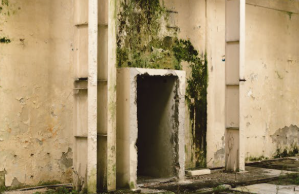
There is no known treatment for mold; focusing on managing symptoms and reducing exposure can bring relief. Immunocompromised individuals or those with a genetic predisposition to asthma can develop a serious response, including breathing issues. Trying OTC medications, removing the mold source, nasal care, and controlling indoor humidity can alleviate symptoms. Seek medical help if the symptoms persist. Hiring a professional mold remediation service within 24-48 hours after water damage minimizes the chances of mold growth, exposure and sickness.
Finding Relief From Mold Exposure
Do you feel tired and exhausted all the time? Doctors run the tests, but nothing shows up. Persistent mold exposure causes chronic inflammatory response syndrome (CIRS), and patients are often misdiagnosed as having depression, anxiety, PTSD, and somatization. Most doctors do not have the training to identify mold-related illnesses. If you are searching for mold treatment near me, explore our guide to stay informed and make positive lifestyle changes that ensure your health and well-being.
| Did you know? Numerous studies have found a potential link between early mold exposure and the development of asthma in children who are genetically susceptible to it. |
Here is your guide to understanding how to manage mold exposure.
- Try Over-the-Counter Medicines for Allergy Relief
Antihistamines are used to treat allergy symptoms such as sneezing, watery eyes or throat irritation.
Nasal corticosteroid sprays are effective for persistent or moderate-to-severe symptoms.
Asthma medications and inhalers help control the breathing issues.
Immunotherapy. Allergy shots help reduce sensitivity to certain types of mold.
- Reduce Exposure to Moldy Environment
Limit your exposure to moldy environments to alleviate allergy symptoms. Immunocompromised individuals or those predisposed to asthma should exercise special precautions, as constant exposure, especially after home water damage, can trigger a serious response.
| Important fact Mold and mycotoxins constitute an integral part of water-damaged buildings (WDB), creating respiratory illnesses in residents. A study shows continuous mold presence inside the noses and sinuses of people long after leaving the moldy environment, making them chronically ill. |
- Remove the Source
Removing the mold source can be challenging and involves serious efforts. Discard affected materials such as contaminated rugs, porous drywalls and items that can not be cleaned and sanitized. Hire a professional mold remediation service after water damage. Mold can begin thriving in damp environments within 24-48 hours. Delaying professional remediation can pose serious health risks.
- Sinus Care
Nasal irrigation is effective in finding relief from mold symptoms. Use saline sprays or neti pots to rinse mold spores out of your sinuses.
- Install Air Purifiers and Dehumidifiers
Control indoor humidity levels (ideally 50%) to reduce contamination and moisture. Install air purifiers and dehumidifiers to ensure better indoor air quality.
- Replace HVAC Filters Regularly
Replace HVAC filters regularly, ideally every month during periods of excessive use, to maintain clean indoor air quality. Install HEPA (High Efficiency Particulate Air) filters to contain mold spores in your indoor environment.
- When to Seek Professional Help?
If you are immunocompromised, have health conditions, or are on certain medications, you are more vulnerable. In rare cases, persistent exposure can lead to pneumonia. If your allergy symptoms are triggered or you are having breathing issues, seek medical assistance immediately.
More than 70% of US homes are affected by mold, with 47% showing active infestation. “Probably every doctor in the US is treating mold-related illness; they just don’t realize it”- Dr. Scott McMahon.
| Fast Fact As per a study, many medical professionals and landlords are unaware of the data regarding chronic exposure to a water-damaged environment triggering a syndrome with 37 symptoms in people, including fatigue, weakness, aches, cramps, blurred vision, lack of concentration, memory loss, mood swings, and appetite swings. |
Conclusion
Managing symptoms and eliminating the source are the most effective ways to cure mold-related allergies. Individuals susceptible to asthma can find relief through nasal care and controlling indoor humidity levels. Hiring a professional mold remediation service within a time frame of 24-48 hours can make a big difference in preventing mold growth.
FAQs
What is black mold, and do I need any specific treatment for it?
Black mold (Stachybotrys Chartarum) has many types and can cause illness, but the CDC recommends that any mold, regardless of color, should be treated in the same way.
Who is most at risk due to mold exposure?
Children, the elderly, pregnant women, and people with compromised immune systems are most at risk from mold exposure.
Is it necessary to get your home tested for mold?
No, the EPA recommends testing is unnecessary if you can see mold signs or smell musty odors. Instead, the focus should be on targeting and removing the source and professional remediation.