
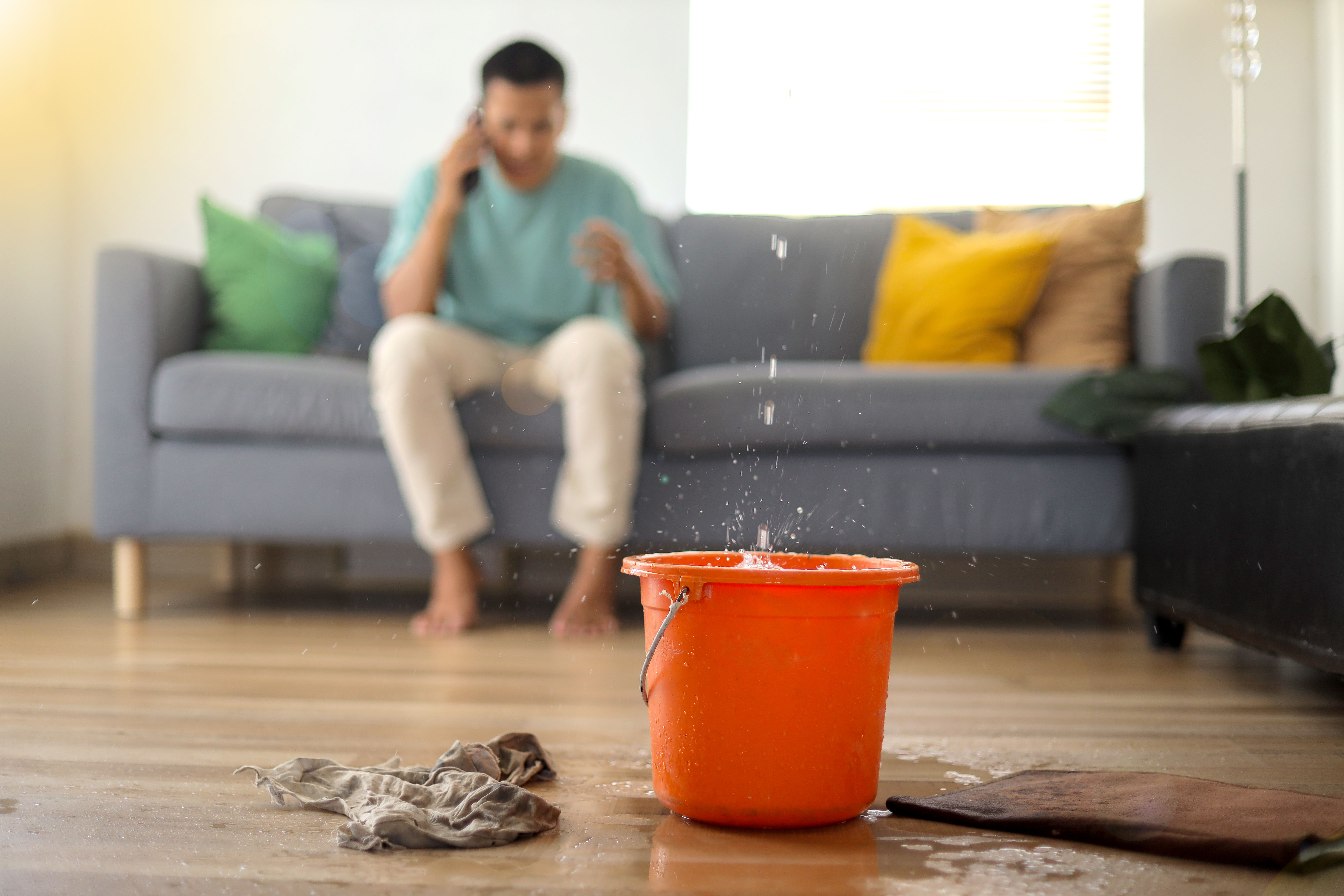
Water damage can be a significant hassle for any homeowner, coming with anxiety and uncertainty. You may want to know when your life will return to normal, but the answer can differ widely, since it depends on the extent of the damage, what kind of water it is, and how quickly the mitigation process begins. Here is the overview of the water damage restoration process and how much time each step takes. You can use this to follow the typical steps taken on a water damage restoration, from an emergency response to the final repairs.
Clock’s Ticking: What’s the Real Wait for Water Damage Restoration?
Water damage doesn’t just create a mess – it creates a disaster for any home or business. The longer water sits without cleanup, the worse it gets, which often leads to mold, structural damage, or even more extensive costs. But how long does it take to restore water damage?
| Estimated Water Damage Mitigation Timeline! | |
| New water damage | 3-7 days |
| Week-old water damage | 10-14 days |
| Month-old water damage | 2-4 weeks |
| Extreme water damage | 4-6 weeks |
Let’s talk about how long it takes to restore your home to its original condition:
Phase 1: Emergency Response and Assessment
Timeline: 0-24 hours
When a major water disaster happens, responding quickly to that situation is very important, because this immediate action will save you overall cost and damage. The first phase of water damage restoration involves:
- Initial Call: It is very important for professional restoration companies to respond within a couple of hours to initiate the mitigation process immediately.
- Inspection and Safety Check: The first thing that professionals do is to find the source of water intrusion and to turn it off. After that, they will inspect your home with the help of moisture meters and infrared cameras to analyze the total extent of damage.
- Insurance Documentation: At this stage, take thoughtful photos and videos of all the affected areas for insurance purposes.
Phase 2: Water extraction and disposal
Duration: 1-3 days
In this phase, we will focus on removing all standing water as quickly and efficiently as possible to minimize further absorption into materials and reduce the potential for mold growth. It involves:
- Heavy-duty tools: The Restoration team will use pumps and vacuums to extract any water visible from your home.
- Material removal: once the restoration team pumps out all the water, they will start removing material that has been severely affected by the water, such as carpets, furniture, and drywall insulation, etc.
Phase 3: Drying and dehumidification
Length of time: 3–7 days
Once the extraction is done, it is important to dry out the remaining moisture, as even small amounts of moisture can lead to mold growth within 24 to 48 hours.
- Industrial drying equipment: High-powered air movers and commercial-grade dehumidifiers are placed in the structure to help circulate the air and pull the moisture from within the structure and the air.
- Moisture monitoring: The technicians will monitor the moisture levels daily to ensure that all affected materials have dried to safe moisture guidelines before proceeding with repairs.
Phase 4: Cleaning, sanitizing, and deodorizing
Length of time: 1–5 days (may even overlap with drying)
This phase is to ensure the safety and cleanliness of your home, especially in the case of contaminated water.
- Removal of debris and contaminants: All dust and debris will be disposed of properly.
- Sanitization: Antimicrobial treatments will be used to sanitize the damaged space and prevent mold from forming.
- Odor removal: Professional deodorizers and air scrubbers may be used to eliminate odor caused by water damage (musty or foul odor).
Phase 5: Repairs and Restoration
Timeline: Weeks to months
This is the last phase, where your property is rebuilt and restored to its pre-damage state. The time frame is subject to the extent of the damage.
- For minor repairs (1–4 weeks), which are surface repairs, this might be patching drywall, repainting walls, or replacing sections of flooring.
- For moderate repairs (1-4 months), this may include replacing insulation, subfloor, and structural components.
- For major repairs (4-12+ months), this is severe damage (extensive flooding or black water damage) that needs extensive structural rebuilding and mold remediation.
Restoration Roadblocks: Factors That Cause Delay
As earlier stated, some things are beyond our control, which can directly affect the estimated water damage restoration time. Next, we just mentioned them, so you can keep in mind:
- Time taken to respond to the problem
- Extent and size of the damage
- Source or type of water involved
- Building materials affected
- Environmental conditions (humidity/temperature)
- Waiting for an insurance adjuster
- Accessibility of the affected area
Conclusion
In conclusion, the timeline for water damage restoration is driven by the extent of the damage and the various factors involved in each case. Acting quickly and calling a preventative damage restoration service will help lessen the overall damage and costs incurred. If a homeowner is aware of the various steps involved and any factors that may delay those can help prepare for what to expect and help speed up the process of returning the property to a safe, livable condition.
FAQs
How quickly should I address water damage?
It is very important to take action within 24-48 hours to prevent mold and further damage.
Can I clean up water damage myself?
Minor spills can be addressed by homeowners, but major damage needs professionals.
Does water damage always cause mold?
If not dried quickly, water damage often leads to mold within days.